
If your iPhone is getting full and you're not sure why, “Documents & Data” could be to blame (or at least be a major contributor).
This mysterious category can get surprisingly large, but it's difficult to find out what it actually is.
In this guide, we're going to cover what Documents & Data is, why it takes up so much space, and the best ways to clear it from your iPhone.
Quick Jump to:
- What is Documents & Data?
- How to Find Documents & Data on iPhone
- How to Delete Documents and Data on iPhone
- Backup and Delete iPhone Files
- FAQ
What is Documents & Data?
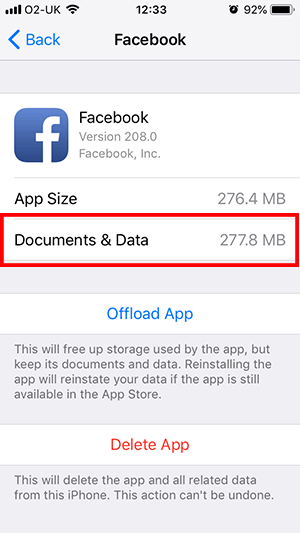
Documents & Data on iPhone refers to cached files, cookies (such as login details and preferences), and downloaded content like images, videos, and messages stored by apps.
This data helps apps load faster and remember your settings, but it can quickly build up over time and take up a large amount of storage.
Apps like social media, messaging, and streaming apps store a lot of data and often build up the most Documents & Data.
How to Find Documents & Data on iPhone
You can check your iPhone's storage settings to get a breakdown of how much space different content types are taking up. This may already give you some indication of opportunities where you can clear some space on your phone.
- Open Settings
- Tap General
- Select iPhone Storage
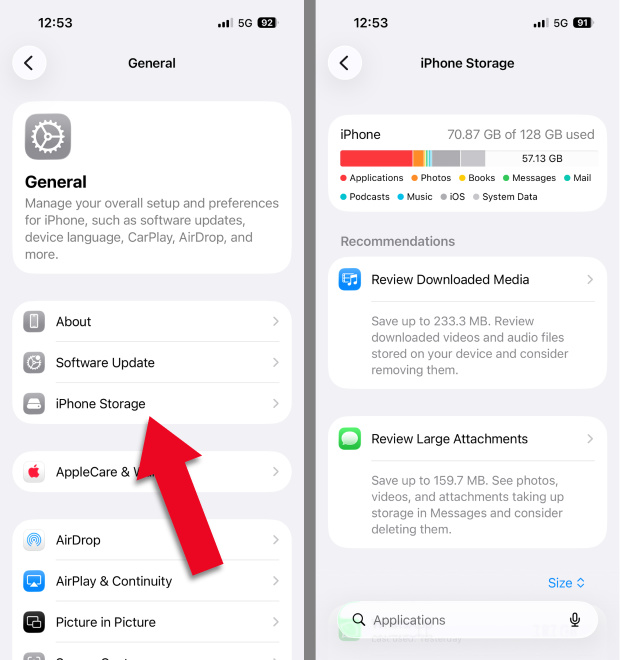
Scroll down to view a list of your apps. Tap an app to see how much space is taken up by the app itself and its Documents & Data.
How to Delete Documents and Data on iPhone
There isn't a handy button to clear all iPhone Documents & Data (unfortunately!). Instead, you'll need to find and remove it from individual apps manually. The iPhone storage settings lists your apps by size, so you can easily see which ones are taking up the most space.
There are several ways to free up iPhone storage, but for now, here are the main ways to reduce Documents & Data...
Clear Data Within Apps
Many apps let you clear temporary data like cached files and history directly in their settings. This is usually the easiest way to reduce Documents & Data without deleting the app.
Every app is different, but the idea is the same: go to Settings, and look for options like Clear Cache, Clear Data, or Manage Storage. Here are a few examples from some of the most popular apps (Snapchat, Facebook, Safari, WhatsApp).
Snapchat
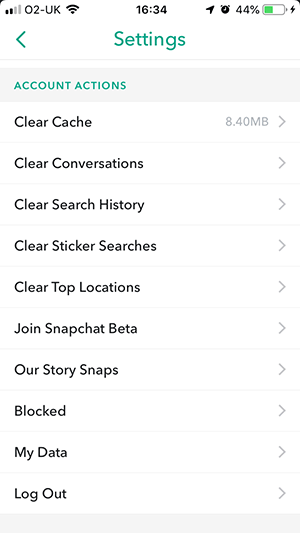
Snapchat stores cached data, search history, and other temporary files.
To clear Snapchat data:
- Tap your profile icon
- Tap the gear icon to open Settings
- Scroll down to App & Privacy and tap My Privacy & Data
- Under Manage My Data tap Clear Cache
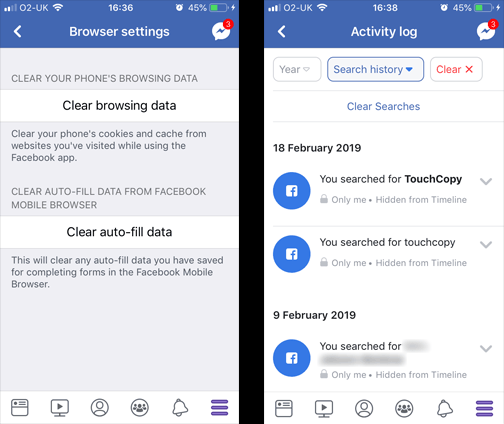
Facebook stores browsing data, search history, and cached media within the app.
To clear Facebook data:
- Tap the menu icon (three lines)
- Go to Settings & Privacy > Settings
- Scroll down and tap Browser
- Tap Clear next to "Cookies and cache"
Safari
Web browser apps like Safari store website data like cookies and history.
To clear Safari data:
- Go to Settings on your iPhone
- Tap Apps, and then select Safari
- Scroll down and tap Clear History and Website Data
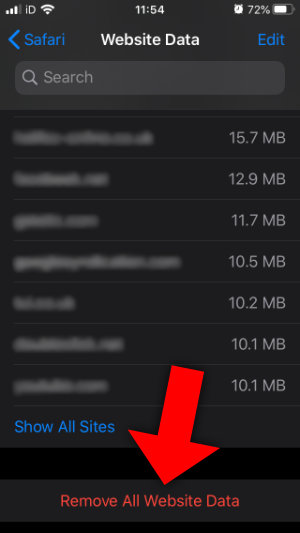
Did you know? You can delete all Safari website data, only cache and cookies, or even individual websites from your history. Read our full guide on How to Delete and Recover Safari History on iPhone to reclaim more space, and recover deleted history if you made a mistake!
WhatsApp is by far the most used mobile messenger app (source: Statista 2026). It stores messages, as well as media like photos and videos that can quickly take up storage space.
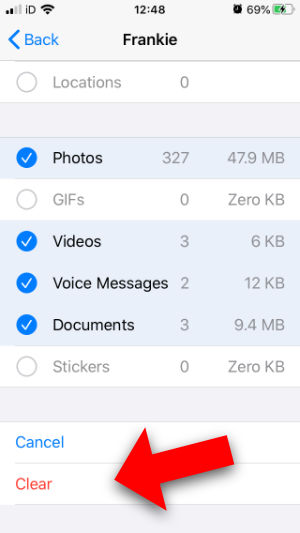
To manage WhatsApp storage on your iPhone:
- Open WhatsApp
- Tap You (your profile icon)
- Go to Storage and Data > Manage Storage
- Review and delete files or conversations you don't need:
- Use the Large Files section to quickly find and remove large items
- Tap a conversation to view its media, then select and delete unwanted files
Reinstall iPhone Apps
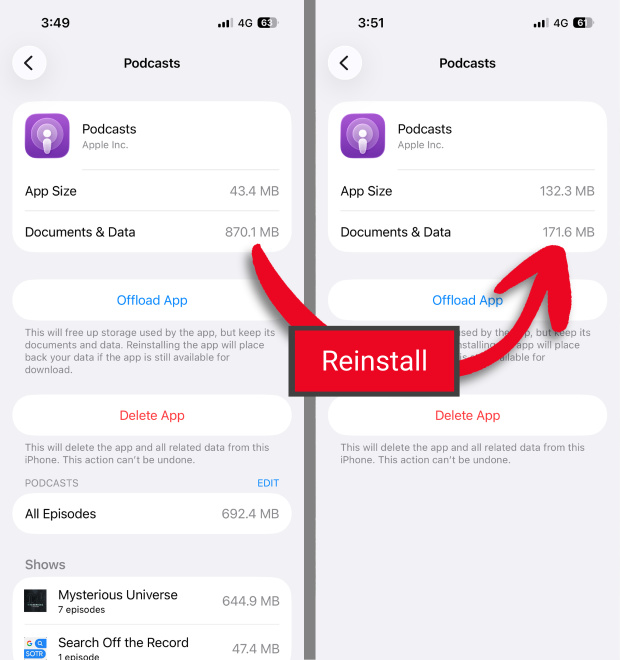
Some apps don't offer a way to clear their cache or stored data. In those cases, the simplest option is to delete the app and install it again.
This removes everything the app has stored locally, so you can start from scratch.
- Go to Settings > General > iPhone Storage
- Select the app you want to clean up
- Tap Delete App
- Reinstall the app from the App Store
Note: Make sure any important data is backed up or synced (e.g. to iCloud) before deleting the app, as uninstalling an app removes all locally stored data.
Offload Apps on iPhone
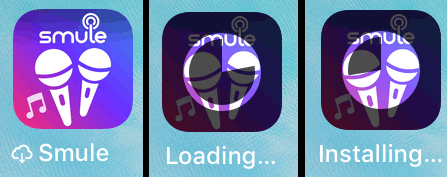
"Offloading" temporarily removes the app but keeps its Documents & Data on your iPhone.
So you free up some space without losing anything, and you can reinstall the app later with your data still there.
- Go to Settings > General > iPhone Storage
- Select the app you want to offload
- Tap Offload App
Important: Offloading does not delete Documents & Data, but it can help to clear some storage space if you don't plan to use the app for a while.
Offloaded apps are marked with a cloud symbol. Tapping the app icon will reinstall the app and all your preferences and cached files will be ready to use.
Backup and Delete iPhone Files
Before deleting anything, it's a good idea to back up your iPhone. This provides a safety net so you don't accidentally lose anything important.
You can then remove photos, messages, and other large files, with the knowledge that you've still got a copy saved on your computer.
Follow our guide if you're unsure how to back up your iPhone.
TouchCopy makes backing up your content easy. You can transfer photos, messages, music, contacts, and more to your PC or Mac, then delete what you don't need from your iPhone.


Frequently Asked Questions
Why does Documents & Data take up so much space?
Documents & Data grows as apps store cached files, media, and user data that builds up over time and isn't automatically deleted.
Is it safe to delete Documents & Data on iPhone?
Yes, it is generally safe to delete Documents & Data. However, doing so may remove downloaded files, cached content, and app data such as login sessions or preferences. In some cases, you may need to sign back into apps or re-download content.
Can I clear Documents & Data without deleting apps?
In some cases, yes. Many apps allow you to clear cache or stored data within their settings. However, for apps that don't offer this option, the only way to fully remove Documents & Data is to delete and reinstall the app.
What happens when iPhone storage is full?
When your iPhone storage is full, you may experience slower performance, app crashes, and issues downloading updates or new apps. You might also be unable to take photos or receive messages until you free up space.
Why does Documents & Data come back after I delete it?
Documents & Data often returns because apps continue to cache files and store new data as you use them. Activities like streaming, messaging, and browsing will gradually rebuild this data over time.

Want more tech tips like this?
Add us as a Preferred Source on Google.